Best Techniques for Washing Tennis Courts and Sports Floors
@knoxvqlg344
November 23, 2026 · 3 min read
Clean playing surfaces support reliable grip, consistent ball bounce and longer-lasting finishes. In Lismore, humid weather, heavy https://fernandohjco665.lakeviewbrief.com/posts/how-to-spot-etching-and-other-pressure-cleaning-damage rainfall and leaf litter can encourage algae and leave outdoor courts slippery. Indoor sports floors need a different approach: excess water or unsuitable chemicals can damage timber, coatings and seams. The best cleaning method depends on the surface, its condition and the manufacturer’s maintenance instructions.
Inspect and Prepare Before Washing
Check for cracks, peeling coatings, loose seams, blocked drains and standing water before starting. Remove leaves, grit and other debris with a soft broom or suitable vacuum. Washing over loose dirt creates muddy residue and can scratch the surface.
Keep players off the area during cleaning and drying. Test any cleaner and equipment settings on a small, inconspicuous section before treating the entire surface.
Choose the Right Technique for Each Surface
Acrylic Tennis Courts
For coated hard courts, start with a manufacturer-approved cleaner, a soft-bristle brush and a controlled, low-pressure rinse. Work in manageable sections and prevent cleaning solution from drying on the court.
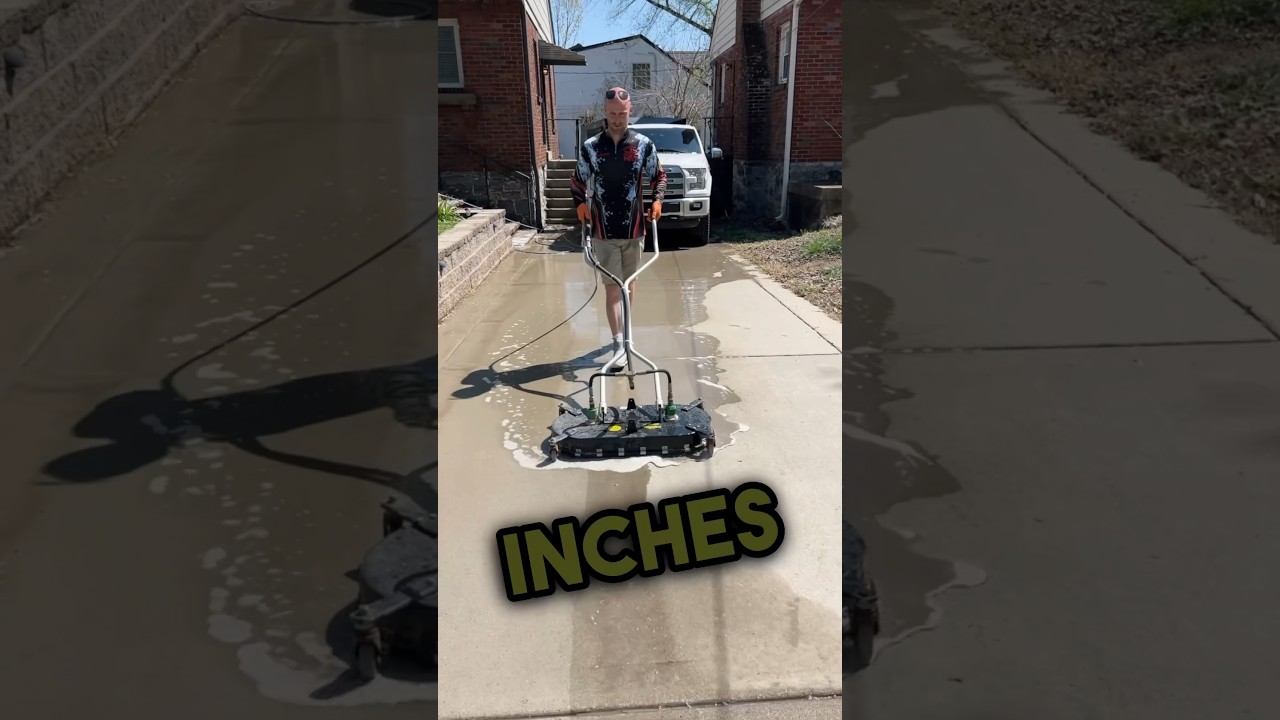
More pressure does not mean a better clean. Concentrated jets can strip colour coatings, damage line markings and worsen existing cracks. If pressure cleaning is permitted, use the coating supplier’s recommended pressure, nozzle and working distance. Avoid rotary or turbo nozzles on vulnerable finishes.
Synthetic Grass Tennis Courts
Remove organic debris regularly and use cleaning methods approved for the particular turf and infill system. Aggressive washing can move sand infill, affect drainage and stress joins. Brush with suitable equipment and check whether infill needs redistribution after cleaning. Persistent algae or drainage problems may require specialist maintenance rather than stronger washing.
Clay and Similar Loose-Surface Courts
These courts generally need surface-specific grooming, controlled watering and drainage maintenance rather than pressure washing. Follow the court supplier’s instructions, as forceful water can displace playing material and create uneven areas.
Indoor Timber Sports Floors
Remove dust and grit first, then clean with a well-wrung microfibre mop and an approved sports-floor cleaner. Never flood timber flooring or use a pressure washer. Excess moisture can enter joints and contribute to swelling or finish damage. Use only approved products for shoe marks and avoid waxes or polishes that could change traction.
Vinyl, Rubber and Polyurethane Floors
Use the flooring manufacturer’s specified detergent and dilution. Where permitted, an automatic scrubber-dryer with suitable soft pads or brushes can remove soil while recovering dirty water. Avoid abrasive pads, solvents and unapproved disinfectants, which may damage finishes or leave slippery residue.
Remove Algae Without Damaging the Court
Lismore’s damp conditions make shaded edges and poorly drained areas worth checking regularly. Use an algae treatment specifically suitable for the surface, following its label, dilution, contact time and rinsing instructions. Never mix cleaning chemicals, particularly chlorine-based products with acids or ammonia.

Address the cause as well as the growth. Clearing drainage outlets, removing wet leaves and improving airflow where practical can reduce recurring contamination.
Manage Wastewater and Drying
Plan where wash water will go before cleaning. Prevent detergent, sediment and contaminated runoff from entering stormwater drains or waterways. Check current Lismore City Council and relevant NSW requirements for wastewater collection and disposal; sewer discharge may require approval.
Choose a suitable weather window and allow the surface to dry fully. Before reopening, check for puddles, chemical residue, loose material and slippery patches. After flooding, arrange an assessment before routine washing if contamination, trapped moisture or surface damage is suspected.
Keep a Practical Maintenance Schedule
- Remove leaves, grit and spills promptly.
- Inspect shaded areas, drains and high-traffic zones regularly.
- Schedule deeper cleaning according to surface condition, usage and supplier guidance.
- Record damage and arrange repairs before washing makes it worse.
When choosing a Lismore court-cleaning service, ask about experience with your exact surface, equipment settings and wastewater controls. A careful, surface-specific approach protects both the playing area and the people using it.
Lismore Pressure Cleaning
(02) 6617 2969